top of page
  • Facebook
  • Instagram

Your Complete Guide to Home Renovation Services in Canada

Updated: Nov 3, 2025


Understanding Home Renovation Services

in Canada


Home renovation services include everything from minor cosmetic upgrades to full structural remodels that modernize and improve comfort, safety, and resale value. Across Canada, skilled contractors handle kitchens, bathrooms, basements, and exteriors with durable materials and energy-efficient systems.

A home renovation company usually manages every stage—consultation, design, permitting, construction, and finishing. Whether you’re updating cabinetry or adding an entire addition, a licensed renovation contractor in Canada ensures compliance with building codes and delivers lasting craftsmanship.

Renovations also drive national economic activity, create skilled-trade jobs, and help Canadians adapt aging homes to modern living standards.


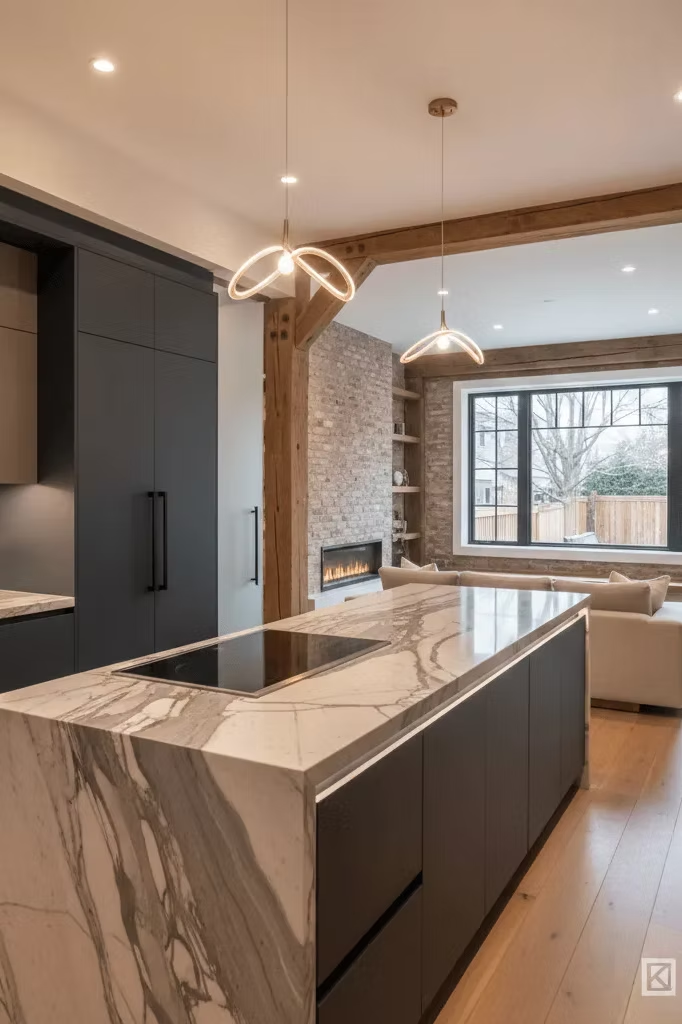
Modern Canadian living room renovation with open-concept design, natural light, and warm neutral tones.

Kitchen Renovations in Canada


The kitchen is the most renovated and most profitable room in Canadian homes. A successful renovation blends function, design, and durability. Homeowners focus on cabinetry layout, countertop material, lighting, and appliance efficiency.

Professional home renovation services include:

  • Cabinet refacing or full replacement

  • Quartz or granite countertop installation

  • Under-cabinet and pendant lighting for ambiance

  • Flooring upgrades such as vinyl plank or tile

  • Plumbing fixture updates for water efficiency

Kitchens remodeled by skilled renovation contractors can raise resale value by up to 70 %. A licensed home renovation company ensures ventilation, electrical, and load-bearing changes meet code while maintaining visual balance.


The kitchen is the most renovated and most profitable room in Canadian homes. A successful renovation blends function, design, and durability. Homeowners focus on cabinetry layout, countertop material, lighting, and appliance efficiency.

Professional home renovation services include:

Cabinet refacing or full replacement

Quartz or granite countertop installation

Under-cabinet and pendant lighting for ambiance

Flooring upgrades such as vinyl plank or tile

Plumbing fixture updates for water efficiency

Kitchens remodeled by skilled renovation contractors can raise resale value by up to 70 %. A licensed home renovation company ensures ventilation, electrical, and load-bearing changes meet code while maintaining visual balance.

Core Types of Home Renovation Services


Professional home renovation services in Canada can cover every aspect of residential construction. The most common project types include:

Cabinet upgrades, stone countertops, lighting, and new layouts that increase both resale value and functionality.

Waterproofing, tiling, vanities, and fixtures that improve comfort, style, and energy efficiency.

Turning underused space into livable areas—rec rooms, offices, or income suites—through insulation, moisture control, and egress windows.

Paint, drywall, flooring, trim, and layout reconfiguration for improved flow and light.

Roofing, siding, decks, porches, and energy-efficient windows to boost curb appeal and protection.

Expanding space through room additions, garages, or upper-floor builds handled by licensed home renovation companies that manage permits, design, and construction.


Canadian renovation contractor and homeowner reviewing detailed renovation plans on a table with samples and blueprints.

Planning Your Renovation Project


Successful home renovations begin with thorough planning. Whether you’re updating a bathroom or remodeling an entire house, preparation determines how smoothly the process unfolds and whether the final product meets expectations.

Step 1 — Define Your Goals

Clarify your main objectives: improving comfort, increasing property value, or upgrading outdated systems. Clear goals guide all design and budgeting decisions.

Step 2 — Establish a Budget

A realistic budget prevents overspending. Include a 10–15 % contingency fund to cover unforeseen expenses such as electrical or structural issues discovered during demolition. Use tools such as a Renovation Estimation Calculator.

Step 3 — Assess Your Home

Evaluate your property’s current condition. Identify moisture problems, aging wiring, poor insulation, or layout limitations before the project starts.

Step 4 — Gather Inspiration

Collect examples from renovation galleries, Pinterest boards, and contractor portfolios. Visual references help your designer or contractor translate your vision accurately.

Step 5 — Consult a Renovation Contractor

Early consultation with a renovation contractor in Canada ensures your design ideas meet building codes and cost expectations. Professional input during planning avoids delays and revisions later.

Step 6 — Create a Timeline

Break the project into stages—design, permits, construction, inspection—and set milestones. A reliable contractor provides a written schedule to track progress.

Choosing the Right Renovation Contractor


Selecting the right contractor determines whether your renovation runs smoothly or becomes stressful. A reliable home renovation company ensures timelines, budgets, and quality all align with your expectations.

1. Verify Licensing and Insurance

Check that the contractor holds proper provincial licensing and liability insurance. In Ontario, WSIB coverage protects both parties during on-site work.

2. Request Detailed Contracts

A transparent agreement lists project scope, payment schedule, materials, warranties, and start–finish dates. Avoid vague or verbal promises.

3. Evaluate Past Work

Reputable contractors showcase before-and-after galleries, testimonials, and references. Reviewing completed jobs gives insight into craftsmanship and design range.

4. Prioritize Communication

You’ll interact daily during construction. Choose someone responsive and professional who provides updates and answers questions clearly.

5. Compare, Don’t Chase the Lowest Bid

Extremely low estimates often skip permits or use poor materials. Select a contractor who balances cost efficiency with proven quality.

6. Look for Local Experience

A renovation contractor in Canada familiar with your region understands climate considerations, building codes, and local supplier networks.


Canadian home renovation contractor meeting with homeowners at a modern kitchen island to review quotes and project details.

Permits, Codes, and Legal Requirements


One of the most critical steps in any Canadian renovation is ensuring compliance with municipal and provincial regulations. Building codes exist to protect safety, energy efficiency, and property value. Ignoring them can lead to fines, insurance issues, or costly tear-downs.

When Permits Are Required

Most renovations involving plumbing, electrical, or structural changes need permits. Examples include:

  • Moving or removing load-bearing walls

  • Adding or expanding windows and doors

  • Installing new plumbing or electrical systems

  • Building decks, porches, or additions

  • Finishing a basement into a livable space

How the Process Works

Your renovation contractor in Canada typically handles all applications and inspection scheduling. Plans are submitted to the local building department, reviewed for compliance, and approved before construction starts.

After key stages—framing, plumbing, electrical, insulation, and final finish—inspectors sign off to verify safety and quality standards.

Why Permits Matter

Permits:

  • Ensure work meets structural and fire-safety codes

  • Protect resale value when you sell the home

  • Validate insurance coverage in case of damage or injury

  • Prevent penalties or legal disputes

Reputable home renovation companies will never skip this step. Cutting corners might save short-term costs but creates long-term risk.


Energy-efficient renovation layout: LED bulbs, smart thermostat, heat-pump icon, insulation samples, triple-pane window cross-section on a worktable.

Cost Breakdown: What to Expect


Before starting any renovation, homeowners should understand realistic pricing ranges. Costs vary based on project size, materials, and local labour rates, but having a clear estimate prevents financial surprises later.

Average Renovation Costs in Canada (2025 Estimates)

Project Type

Typical Range (CAD)

Key Cost Factors

Bathroom Renovation

$12,000 – $25,000

Plumbing, tile, fixtures, waterproofing

Kitchen Renovation

$25,000 – $60,000

Cabinets, countertops, appliances, lighting

Basement Finishing

$30,000 – $70,000

Framing, insulation, flooring, moisture control

Full Home Remodel

$100,000 – $400,000+

Structural work, additions, design complexity

What Affects the Price

  1. Size and Scope — Larger projects or additions multiply costs quickly.

  2. Material Choice — Stone, hardwood, and custom finishes add premium cost.

  3. Structural Modifications — Moving load-bearing walls or plumbing increases labour hours.

  4. Permits and Inspections — Each city or province sets unique fees.

  5. Contractor Expertise — A licensed home renovation company may charge slightly more, but ensures compliance, safety, and warranty.

How to Keep Costs Under Control

  • Get at least three quotes from reputable contractors.

  • Ask for itemized estimates (materials, labour, permit fees).

  • Plan ahead to avoid mid-project design changes.

  • Use recycled or locally sourced materials where possible.

Accurate budgeting and early planning are the most effective tools for keeping your home renovation services on track.


Detailed home renovation cost estimate spreadsheet with calculator, floor plans, and construction materials on a des

Energy-Efficient and Green Renovation Options

Cut operating costs and raise comfort by prioritizing efficiency during design.

High-impact upgrades

  • Insulation + air sealing: attic, rim joists, exterior walls.

  • Windows/doors: Energy Star, low-E, proper flashing.

  • HVAC: right-sized heat pump, ECM furnace motors, smart thermostat.

  • Water: low-flow fixtures, drain-water heat recovery, insulated pipes.

  • Lighting: all-LED with dimmers and occupancy sensors.

  • Materials: FSC wood, recycled content tile, low-VOC paints/adhesives.

  • Envelope details: continuous exterior insulation, taped sheathing, rainscreen for siding.

  • Electrical readiness: EV-charger circuit, solar-ready conduit, sub-panel capacity.

Permits and rebates

  • Check municipal permit triggers for windows, insulation, or HVAC changes.

  • Review Canadian federal/provincial rebate programs before purchase; most require pre- and post-audits by certified energy advisors.

Spec tips

  • Aim for ≤2.0 ACH50 air-tightness on major remodels.

  • R-values suited to Southern Ontario: Attic R50–60, Walls effective R20–24, Basement R12–20.

  • Window U-factor ≤1.6 W/m²·K (≈0.28 BTU/hr·ft²·°F).

Lifecycle math

  • Prioritize measures with payback <7–10 years and long warranties.

  • Bundle envelope + HVAC to downsize equipment and compound savings.


Ask your contractor for an energy model or at least a heat-loss/heat-gain calc and a written air-sealing plan. Use our renovation calculator for instant estimates!


Energy-efficient renovation layout: LED bulbs, smart thermostat, heat-pump icon, insulation samples, triple-pane window cross-section on a worktable

Common Mistakes to Avoid

Even well-intentioned homeowners can make costly errors during renovations. Understanding these common pitfalls will help you stay on schedule, protect your investment, and reduce stress.

1. Starting Without a Clear Plan

Beginning work before finalizing layouts or materials leads to confusion and rework. Always finalize design and permits before demolition.

2. Choosing the Lowest Bid

Cheap quotes often omit key services or use inferior materials. Choose the home renovation company that provides transparent pricing and documented scope, not just the lowest number.

3. Ignoring Structural and Moisture Issues

Covering up cracks, leaks, or mold without addressing root causes guarantees future damage. Experienced renovation contractors inspect and repair before finishing.

4. Frequent Design Changes

Constant revisions delay progress and inflate costs. Lock in selections early and stick to them unless safety or code issues arise.

5. Poor Communication

Misunderstandings between homeowners and builders cause timeline slippage. Schedule weekly check-ins to review progress and resolve questions.

6. Forgetting the Contingency Fund

Unexpected costs happen—hidden wiring, plumbing reroutes, or material shortages. Budget at least 10–15 % as a cushion.

By planning carefully, communicating openly, and hiring certified professionals, your renovation will stay efficient and stress-free.


Overhead view of renovation plans, crumpled drawings, and tools on a table symbolizing common renovation mistakes, no people, no text overlay

Financing a Renovation

Funding options vary, but proper financing ensures you can complete a project without cutting quality.

1. Home Equity Line of Credit (HELOC)

Flexible borrowing based on your home’s equity with interest charged only on what you use.

2. Mortgage Refinancing

Adds renovation costs to your existing mortgage, often with lower rates than personal loans.

3. Personal Renovation Loan

Good for smaller projects with predictable monthly payments.

4. Government Rebate Programs

Federal and provincial initiatives—like the Canada Greener Homes Grant—can offset efficiency upgrades.

5. Contractor Financing

Some home renovation companies offer installment plans or partner with lenders for customer convenience.

Before choosing, compare total interest, terms, and fees. Always match the loan term to your project scale and payback capacity.


Close-up of renovation financing documents, calculator, architectural floor plans, and a coffee cup on a wooden desk, representing home renovation budget planning in Canada

The Role of Design in Success

Design is the invisible structure behind every great renovation. A thoughtful design plan integrates functionality, safety, and beauty.

Key Design Principles

  • Balance and Proportion: Keep scale consistent with room size.

  • Flow and Usability: Optimize traffic paths and lighting.

  • Materials and Texture: Blend finishes for warmth and depth.

  • Color and Mood: Use complementary palettes to enhance space comfort.

Many home remodeling services now use a design-build model—where designers and builders collaborate from concept to completion—saving both time and cost.

Interior design workspace showing fabric samples, color swatches, and architectural plans arranged on a table in a bright modern studio

Managing Your Timeline

Scheduling determines efficiency and client satisfaction.

Typical Durations

Project

Average Timeline

Bathroom

3 – 4 weeks

Kitchen

6 – 8 weeks

Basement

8 – 12 weeks

Full Home

4 – 8 months

Timeline Tips

  • Finalize materials before construction starts.

  • Hold weekly progress meetings.

  • Approve milestones (demo, framing, rough-in, finish).

  • Avoid last-minute design changes—they extend completion.

Professional home renovation companies maintain written schedules with clear dependencies and inspection checkpoints.

Renovation project timeline chart with tools, blueprints, paintbrushes, and a calendar on a worktable showing average renovation durations for bathroom, kitchen, basement, and full home projects

Post-Renovation Care

Finishing the build isn’t the end; upkeep protects your investment.

Maintenance Checklist

  • Keep copies of warranties and paint codes.

  • Reseal grout and caulking yearly.

  • Inspect HVAC filters and vents every season.

  • Check exterior flashing, siding, and gutters twice a year.

  • Touch up paint where humidity or traffic causes wear.

A dependable home renovation contractor may include a follow-up visit or minor-deficiency list to ensure satisfaction.

Flat lay of home renovation materials including paint swatches, hammer, tape measure, blueprints, and a brush arranged on a wooden surface

Local Expertise Across Ontario

Local contractors bring regional insight and supplier access that national firms lack.

Advantages:

  • Knowledge of municipal codes and inspectors

  • Fast permit coordination

  • Familiarity with local weather impacts on materials

  • Access to trusted local trades and suppliers

For homeowners in Hamilton, Burlington, Oakville, and the GTA, hiring a local renovation contractor provides shorter timelines and personalized service.

Graphic illustration showing the phrase ‘Before & After’ in a minimalist split design representing transformation and home renovation results

Why Choose Kark’s Contracting Inc.

Kark’s Contracting Inc. delivers comprehensive home renovation services across Hamilton and surrounding regions.

Specialties:

  • Kitchen and bathroom renovations

  • Basement finishing

  • Full home remodels

  • Exterior improvements

Core values:

  • Transparent pricing

  • High-end craftsmanship

  • Professional project management

From initial consultation to final inspection, Kark’s Contracting provides dependable quality and communication homeowners can trust.

Flat-style digital illustration featuring the words ‘Home Renovation’ surrounded by line-art icons of tools like drill, hammer, saw, and light bulb on a green background

Key Takeaways

Renovating a home is a major financial and personal commitment. Success depends on planning, communication, and choosing skilled professionals. These principles summarize the entire process:

1. Plan Before Building

Define the project scope, timeline, and realistic budget before starting any demolition. Preparation saves time and prevents mistakes.

2. Hire Licensed Professionals

A certified renovation contractor in Canada ensures safety, code compliance, and workmanship backed by warranties. Always verify insurance and credentials.

3. Budget With Flexibility

Add a 10–15 % contingency to absorb unexpected repairs, delivery delays, or design adjustments. Try our Renovation Calculator!

4. Prioritize Quality

Durable materials and professional labour cost more upfront but extend your renovation’s life and reduce long-term maintenance.

5. Communicate Consistently

Regular updates between you and your contractor keep everyone aligned on progress and expectations. Transparency prevents disputes.

6. Think Energy Efficiency

Modern materials, insulation, and fixtures can lower energy costs and increase home comfort. Sustainability adds both financial and environmental value.

7. Value Local Expertise

Local contractors understand regional codes, supply chains, and seasonal weather—critical for construction scheduling and durability.

8. Work With Trusted Partners

Companies like Kark’s Contracting Inc. deliver complete project management—from consultation and design to execution—so homeowners get reliable results and peace of mind.

Renovation isn’t just about improving a house; it’s about upgrading your lifestyle and investing in lasting comfort.


Bright modern Canadian home interior after full renovation, featuring open living and kitchen space with neutral colors, no people, no text overlay

Comments


bottom of page